You Won’t Believe What I Found Shopping Near Santiago’s Natural Wonders
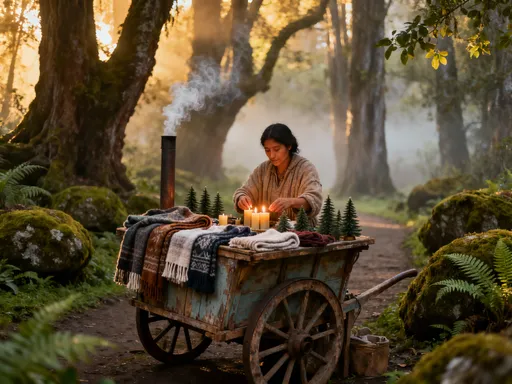
Walking through the misty trails and ancient streets of Santiago de Compostela, I never expected my biggest thrill to come from shopping. But here’s the twist—these aren’t just souvenir shops. Nestled among lush forests and coastal paths, local artisans sell handmade goods infused with nature’s spirit. From organic wool scarves to pine-scented candles, every item tells a story. This is shopping with soul, where nature and culture meet in the most unexpected ways. Far from the impersonal racks of mass-produced trinkets, the experience invites travelers to slow down, observe, and connect. In a region celebrated for its pilgrimage routes and Atlantic greenery, commerce becomes a quiet act of preservation—one that honors both the land and the hands that shape its offerings.
The Unexpected Connection Between Nature and Shopping
Santiago de Compostela is often praised for its spiritual significance and architectural beauty, but the region’s natural landscape plays an equally powerful role in shaping its cultural identity. The surrounding province of Galicia is blanketed with Atlantic forests, where oak, chestnut, and eucalyptus trees form dense canopies that drip with moss after morning rains. Mountain trails wind through protected parks like Parque Natural de las Fragas do Eume, where rushing rivers carve deep gorges and ferns unfurl beneath ancient stone bridges. It is within this rich ecological tapestry that local craftsmanship finds its inspiration. Unlike urban shopping districts dominated by global brands, the retail experience near Santiago draws directly from the environment—its colors, textures, scents, and rhythms.
What makes this connection remarkable is how seamlessly nature integrates into the design and production of everyday goods. For instance, the damp, temperate climate supports abundant plant life that artisans use for natural dyes. The golden hue of broom flowers, the deep red of madder root, and the earthy brown of walnut shells all find their way into hand-dyed textiles. Similarly, native sheep breeds like the Ovella Galega provide soft, durable wool used in shawls, blankets, and traditional garments. These materials are not chosen for novelty but out of necessity and tradition—methods passed down through generations who lived in close relationship with the land.
This deep-rooted connection transforms shopping from a transaction into a sensory journey. When visitors purchase a linen tablecloth embroidered with wildflower motifs or a wooden spoon carved from reclaimed chestnut, they are not simply acquiring objects—they are taking home fragments of the Galician landscape. Each piece carries the imprint of place: the scent of pine resin, the grain of storm-fallen timber, the softness of wool brushed by sea winds. In this way, retail becomes a form of storytelling, where craftsmanship reflects the biodiversity and seasonal cycles of the region. It’s a stark contrast to the disposable souvenirs found in tourist hubs, offering instead items that feel alive with memory and meaning.
Artisan Markets Hidden in Plain Sight
One of the most authentic ways to encounter this nature-infused craftsmanship is at Santiago’s local markets, where tradition thrives amid the bustle of daily life. The Mercado de Abastos, located just off Praza de Abastos, is the city’s oldest and most vibrant market, dating back to the 19th century. While it’s well known for fresh seafood, local cheeses, and seasonal produce, a closer look reveals a treasure trove of artisan goods rooted in Galicia’s natural abundance. Stalls display bundles of dried herbs like thyme and rosemary, gathered from nearby hillsides, alongside honey harvested from chestnut forests—its dark amber color and slightly bitter taste a testament to the region’s unique flora.
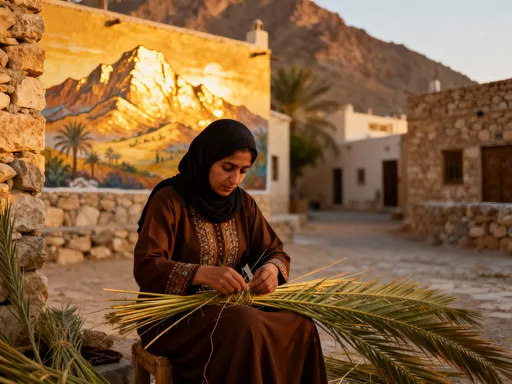
Beyond food, visitors discover handwoven baskets made from esparto grass and river reeds, materials sustainably gathered from wetlands and riverbanks. These baskets, often used by farmers and foragers, are now sought after for their rustic elegance and durability. Nearby, artisans display olive wood bowls and utensils, each piece shaped from trees that no longer bear fruit, ensuring no living tree is felled for craft. The scent of the wood—mild and warm—lingers on fingertips, a subtle reminder of the Mediterranean influence that brushes Galicia’s western edge.
Outside the city center, smaller pop-up markets appear along sections of the Camino de Santiago, especially in villages like Palas de Rei and Arzúa. These temporary stalls are often run by local families who sell goods made from materials sourced within walking distance. A vendor might offer sea salt harvested from the Rías Baixas, where tidal flats are still managed using centuries-old techniques. Another might sell organic linen napkins dyed with onion skins or walnut husks—waste materials transformed into rich, sustainable pigments. These markets do not advertise heavily; they exist quietly, sustained by word of mouth and the curiosity of pilgrims and travelers willing to wander off the main path.
The sensory experience of these markets is unforgettable. The air hums with the mingled aromas of baked bread, cured ham, and wild mint. Sunlight filters through skylights, casting golden patterns on stone floors polished by centuries of footsteps. Children dart between stalls, clutching paper cones of roasted chestnuts, while elders haggle gently over the price of a hand-carved walking stick. In these moments, shopping feels less like consumption and more like participation—a way to become part of the rhythm of local life. The goods on display are not made for display cases; they are meant to be used, worn, and cherished, their beauty deepening with time and use.
Where Nature Meets Craft: The Workshops Behind the Goods
Behind every handcrafted item sold in Santiago’s markets are small workshops tucked into village outskirts, hillside cottages, and converted barns. These ateliers operate on principles far removed from industrial manufacturing—prioritizing slowness, care, and respect for materials. Many artisans work alone or in small collectives, dedicating weeks or even months to complete a single piece. Their methods are rooted in sustainability, not as a marketing trend, but as a way of life shaped by generations of resourcefulness.
One such workshop lies just outside the village of Negreira, where a weaver named Rosa processes raw wool from local flocks. She begins by washing the fleece in rainwater collected from her roof, then carding it by hand before spinning it on a foot-treadle loom. The dyes she uses come entirely from her garden and the surrounding woods: weld for bright yellows, indigo for deep blues, and heather flowers for soft lavender tones. Her scarves and throws are not only beautiful but biodegradable, designed to return to the earth when their long life ends. Visitors who tour her studio often remark on the quiet dignity of the process—how each step feels intentional, almost meditative.
Another example is a family-run carpentry shop in Curtis, where fallen oak and chestnut trees are transformed into furniture, utensils, and walking sticks. The wood is air-dried for up to two years to prevent warping, and every knot and grain pattern is preserved rather than hidden. The artisans use hand tools whenever possible, minimizing noise and energy use. They refuse to source timber from commercial plantations, instead relying on storm-damaged trees or those removed for safety reasons. Their philosophy is simple: take only what the forest offers freely, and honor it with skill and gratitude.
These workshops are more than production spaces—they are cultural repositories. They preserve techniques that might otherwise vanish in the face of globalized production. In doing so, they also protect the environment by discouraging deforestation, reducing plastic use, and minimizing carbon emissions. Many artisans partner with local schools and tourism boards to offer workshops for visitors, teaching everything from natural dyeing to basket weaving. These experiences deepen the connection between traveler and place, turning a simple purchase into a shared act of preservation. When someone buys a candle made from beeswax harvested from Galician hives or a notebook bound in recycled linen, they support not just an individual craftsperson, but an entire ecosystem of care and continuity.
Shopping Along the Camino: More Than Souvenirs
The Camino de Santiago, one of the world’s most famous pilgrimage routes, stretches across hundreds of kilometers of Galicia’s varied terrain—forests, farmland, river valleys, and coastal plains. Along its path, small vendors set up stalls offering refreshments, supplies, and handmade goods. While some sell mass-produced items, others provide authentic, locally sourced products that reflect the natural surroundings. For pilgrims walking for spiritual, physical, or personal reasons, these stops offer more than convenience—they provide moments of connection and reflection.
Trailside vendors often sell herbal teas made from plants gathered in nearby woods. A cup of mountain tea, brewed from wild thyme or St. John’s wort, offers warmth and comfort after a long day’s walk. Others offer organic snacks like rye crackers with chestnut paste or honey-sweetened energy balls made with oats and dried fruits. These foods are not only nutritious but deeply tied to the land—many recipes unchanged for centuries. The packaging is minimal, often wrapped in parchment or reusable cloth, reinforcing a culture of simplicity and respect for nature.
One of the most meaningful purchases a pilgrim can make is a handmade walking stick. Crafted from fallen oak, chestnut, or hazel wood, each stick is shaped and sanded by hand, sometimes engraved with a small symbol or the name of the village where it was made. Unlike store-bought trekking poles, these sticks carry a sense of history and intention. Pilgrims often form emotional attachments to them, viewing them as companions on their journey. The artisans who make them see their work as a service—to support those on a path of transformation, one step at a time.
These small transactions have a ripple effect. Every purchase supports rural economies where opportunities are limited. Many of the vendors are retirees, small-scale farmers, or artisans supplementing their income. By choosing to buy from them, pilgrims contribute to sustainable tourism—travel that benefits local communities rather than draining them. It’s a model that prioritizes dignity over profit, relationship over speed. In this way, shopping along the Camino becomes an ethical act, aligning with the values of mindfulness and gratitude that define the pilgrimage experience.
Coastal Treasures: From Rías Baixas to Handmade Crafts
Just a short journey from Santiago lie the Rías Baixas, a series of sea inlets that define Galicia’s southwestern coastline. These tidal estuaries are renowned for their biodiversity, supporting oyster farms, salt pans, and vast beds of seaweed that wash ashore with the tides. The natural wealth of this region extends beyond food—local artisans have long drawn inspiration from the sea, creating unique crafts that celebrate its rhythms and resources.
One emerging specialty is skincare made from algae and sea minerals. Small laboratories in towns like Cambados and A Guarda produce creams, soaps, and masks using sustainably harvested seaweed, rich in vitamins and trace elements. These products are free from synthetic fragrances and parabens, designed for sensitive skin and environmental sensitivity alike. Some brands partner with marine conservation groups, donating a portion of proceeds to protect coastal ecosystems. By purchasing these items, travelers support both wellness and environmental stewardship—a rare synergy in modern retail.
Another fascinating craft is the recreation of sea silk, a legendary textile once woven from the byssus threads of a rare Mediterranean mollusk. While true sea silk is nearly extinct, Galician artisans have developed ethical replicas using plant-based fibers and natural dyes, mimicking its shimmering texture. These fabrics are used in scarves, shawls, and ceremonial garments, preserving the cultural memory of an ancient art without harming marine life. The result is both beautiful and responsible—a testament to innovation rooted in respect.
Coastal pottery also reflects the influence of the sea. In fishing villages like Combarro, artisans shape clay into vessels inspired by nautical forms—jars resembling buoys, plates etched with wave patterns. The glazes often incorporate crushed seashells or sand, giving each piece a unique, textured finish. These ceramics are not merely decorative; many are used in local kitchens, serving seafood stews and shellfish dishes. When travelers take one home, they carry with them not just an object, but a piece of Galicia’s maritime soul.
Smart Shopping: How to Choose Authentic, Nature-Inspired Goods
With growing interest in sustainable and authentic travel, it’s important to distinguish genuine local crafts from imported imitations sold as “handmade.” One reliable indicator is certification. In Galicia, look for labels like “Artesanía de Galicia,” which guarantees that a product was made by a registered artisan using traditional methods. Items bearing this mark have undergone inspection and meet strict standards for authenticity and quality.
Another strategy is to ask questions. Artisans are usually happy to explain where their materials come from, how they were processed, and how long the piece took to make. A vendor who speaks knowledgeably about local sheep breeds, dye plants, or wood sources is more likely to be selling authentic goods. Conversely, vague answers or reluctance to discuss origins may signal mass-produced imports.
Timing also matters. Markets like Mercado de Abastos are at their best in the morning, when fresh products arrive and crowds are manageable. Visiting during local festivals—such as the Feira Franca in September—offers access to special-edition crafts and seasonal specialties. Travelers should also consider shopping directly from workshops or cooperatives, where prices are fairer and the connection to the maker is direct.
Avoiding overpriced tourist traps requires awareness. Shops located directly on main plazas or near major attractions often charge premium prices for lower-quality goods. Instead, venture into residential neighborhoods or follow signs to “talleres” (workshops) on the city’s edge. These quieter locations often house the most dedicated craftspersons, whose work reflects a lifetime of skill and devotion. By choosing thoughtfully, travelers ensure their purchases support true sustainability—both cultural and environmental.
Why This Kind of Shopping Changes How You Travel
Shopping near Santiago’s natural wonders is not about accumulating possessions. It’s about deepening one’s experience of place. When a traveler buys a candle infused with pine resin gathered from the Fragas do Eume, they carry home more than light—they carry a memory of misty forests and the quiet hum of bees among heather blooms. When they wrap themselves in a woolen shawl dyed with broom flowers, they feel the warmth not just of fiber, but of human hands guided by tradition.
This form of mindful consumption transforms travel from passive observation to active participation. It invites people to see themselves not as outsiders, but as temporary members of a living culture. Each purchase becomes a gesture of respect—a way to honor the land, support local livelihoods, and preserve centuries-old practices that might otherwise fade. In a world where tourism often leaves behind carbon footprints and cultural erosion, this approach offers a hopeful alternative.
Ultimately, the most valuable souvenirs are not those that sit on shelves, but those that are used, worn, and shared. A linen apron from Santiago becomes part of daily life, its fibers softening with each wash. A handmade journal records thoughts and dreams, its pages imbued with the spirit of Galician craftsmanship. These objects do not merely commemorate a journey—they extend it, weaving the essence of place into the fabric of ordinary moments.
Travelers are encouraged to see shopping not as an indulgence, but as an act of preservation. By choosing goods that reflect nature, tradition, and care, they help sustain the very landscapes and communities they come to admire. In doing so, they become part of a quiet movement—one that values depth over speed, connection over convenience, and soul over spectacle. And perhaps, in the end, that is the most unexpected discovery of all.